
Introduction
Clothes designing isn’t just about fabrics and sewing—it’s about turning imagination into wearable art. Every outfit you see on the runway, in a store, or even on your favorite influencer started with an idea sketched by a designer. Over the years, clothes designing has evolved from handcrafted tailoring to a dynamic blend of artistry, technology, and cultural expression. Whether it’s haute couture or ready-to-wear, this creative process defines the fashion industry. In this article, we’ll explore the journey of clothes designing, its history, techniques, tools, and how modern designers are reshaping the future of fashion.
The History and Evolution of Clothes Designing
Clothes designing has roots as old as civilization itself. In ancient times, garments weren’t just functional; they symbolized social status, tradition, and identity. From the elaborate drapery of Roman togas to the intricate embroidery of Chinese dynasties, early clothes designing blended practicality with beauty.
As centuries passed, the Renaissance ushered in tailored silhouettes and luxurious fabrics for the European elite. The Industrial Revolution then changed everything—introducing sewing machines, mass production, and a new accessibility to fashion. What was once exclusive became more available to the everyday person.
The 20th century saw fashion houses like Chanel, Dior, and Balenciaga transform clothes designing into an industry of creativity and commerce. Today, it’s a global art form that reflects cultural movements, personal expression, and sustainability.
The Creative Process of Clothes Designing

At its core, clothes designing begins with inspiration. Designers pull ideas from nature, architecture, art, or even street style. Once inspiration strikes, it’s translated into sketches, mood boards, and fabric swatches.
The process usually moves in stages:
-
Research & Inspiration – Identifying themes, colors, and trends.
-
Sketching & Conceptualization – Bringing abstract ideas to life on paper or digitally.
-
Fabric Selection – Choosing textiles that match the vision, whether silk for elegance or denim for durability.
-
Pattern Making – Translating sketches into technical outlines for cutting and stitching.
-
Prototype Creation – Building a sample garment, often refined through multiple fittings.
This blend of creativity and technical skill is what makes clothes designing so unique. It’s not just about making garments—it’s about crafting stories people can wear.
Tools and Techniques in Modern Clothes Designing
While hand sketches and traditional sewing remain vital, technology has reshaped clothes designing. Today, many designers use Computer-Aided Design (CAD) software to create digital mockups and experiment with patterns before cutting fabric. This saves time, reduces waste, and allows for greater precision.
Techniques like draping (pinning fabric directly on a mannequin) and flat pattern making (drawing patterns on paper) are still widely used, but they’ve been enhanced by digital tools. 3D printing is also gaining traction, allowing avant-garde designers to create futuristic garments that would be impossible with traditional methods.
Accessories like fabric scanners, laser cutters, and AI-driven design programs now complement the designer’s toolkit. Yet, the heart of clothes designing remains human creativity—the ability to combine fabric, texture, and vision into something original.
Clothes Designing as a Career Path

For aspiring designers, clothes designing offers endless possibilities. Some dream of starting their own fashion labels, while others work behind the scenes for established brands. Career paths include fashion designers, textile designers, pattern makers, and fashion illustrators, among others.
Breaking into the industry often requires a mix of formal training and practical experience. Many attend fashion schools to learn technical skills, while internships and apprenticeships provide real-world insights. Building a strong portfolio is essential, as it showcases a designer’s creativity and versatility.
The career isn’t without challenges—competition is fierce, trends change quickly, and sustainability is becoming a non-negotiable aspect of design. However, for those passionate about fashion, clothes designing is one of the most rewarding and expressive career paths out there.
Sustainability and the Future of Clothes Designing
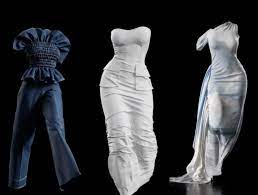
In recent years, sustainability has become a driving force in clothes designing. The fashion industry has long faced criticism for its environmental impact, from fabric waste to pollution. Designers are now embracing eco-friendly fabrics like organic cotton, hemp, and recycled polyester.
Another trend is the rise of slow fashion, which focuses on timeless, high-quality pieces rather than disposable fast fashion. Clothes designing today is as much about responsibility as creativity—crafting garments that are stylish, durable, and environmentally conscious.
Looking ahead, the future of clothes designing will likely merge sustainability with innovation. We’ll see more virtual fashion shows, AI-powered personalization, and even digital-only garments worn in virtual worlds. The possibilities are endless, but one thing remains true: fashion will always be about expressing identity and imagination.
Conclusion
Clothes designing is more than stitching fabrics together—it’s the art of turning inspiration into reality. From its ancient roots to today’s tech-driven innovations, it has remained a powerful blend of creativity, culture, and craftsmanship. As sustainability and technology continue to shape the industry, clothes designing will only grow more exciting and influential. For anyone passionate about fashion, it’s a world where every thread tells a story.