

Introduction
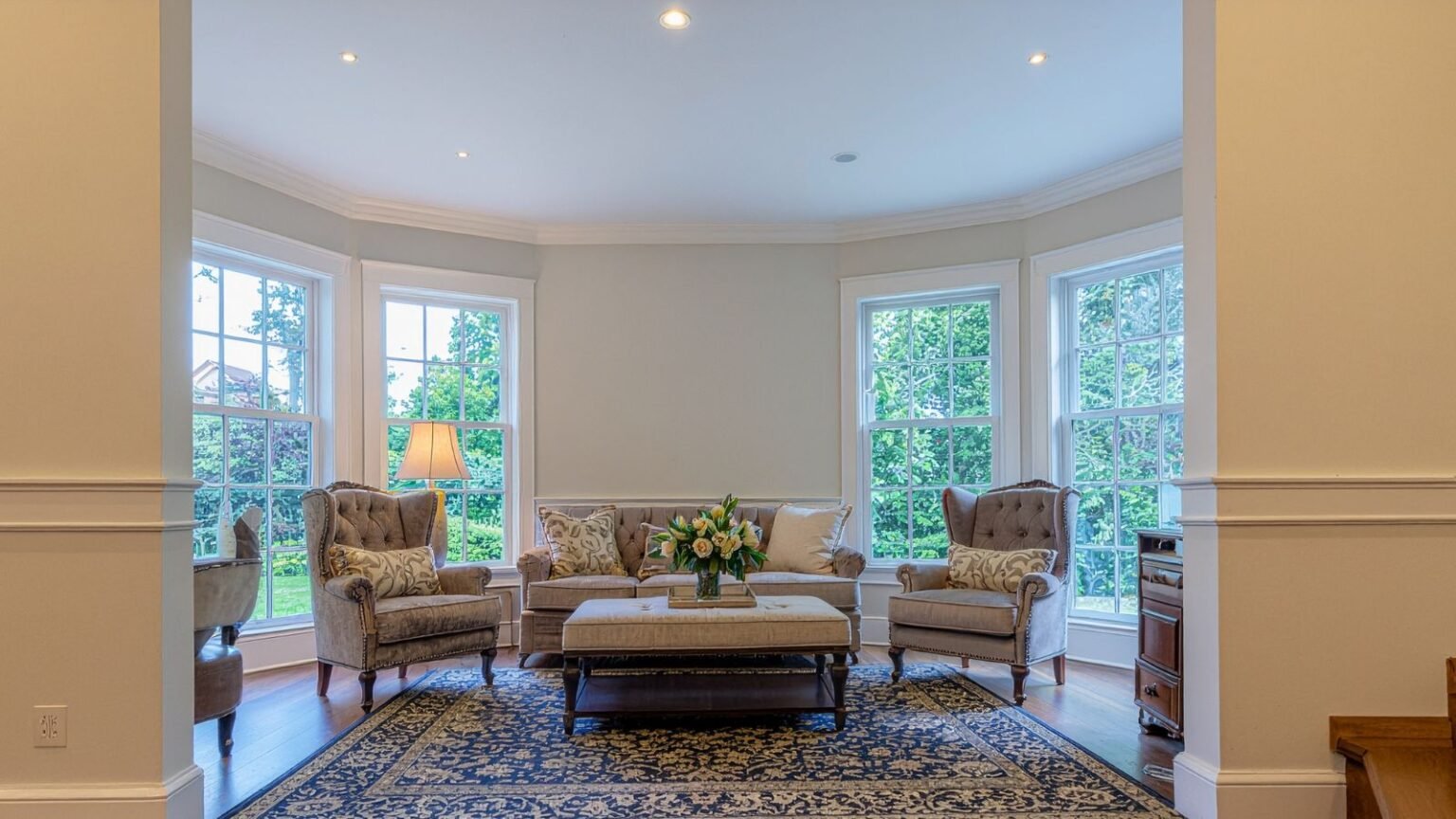
Bay windows are a popular architectural feature in homes that project outward from the main walls, creating a “bay” inside a room. They not only enhance the exterior appearance of a home but also provide additional interior space, increased natural light, and unique design opportunities. This guide covers everything about bay windows, including types, benefits, materials, installation, costs, and maintenance.
What Are Bay Windows and How Do They Work
A bay window is a set of three or more windows that protrude from the main wall, forming a nook or bay inside a room. The center window is typically fixed, while the side windows may be operable. Bay windows can be angled, curved, or flat-faced depending on the design.
They work by extending the interior space outward and capturing more natural light from multiple directions, making rooms feel brighter and more spacious.
History and Origin of Bay Window Design
Bay windows have been around for centuries and were originally used in castles and manor houses in Europe to create lookout points. During the Victorian era, they became a common feature in residential homes for aesthetic and functional reasons. Today, bay windows are embraced worldwide in modern and traditional home designs.
Different Types of Bay Windows (Box, Bow, Angled)
Bay windows come in several styles:
- Box Bay Windows: Feature a rectangular shape with a flat front, creating a box-like appearance inside.
- Bow Windows: Consist of four or more panels forming a gentle curve, giving a rounded appearance.
- Angled Bay Windows: Feature a central window with side windows at a 30, 45, or 90-degree angle for a unique design.
Each type serves different aesthetic and functional purposes.
Bay Windows vs Other Window Styles
Bay windows differ from standard windows and other projection windows. Unlike single-hung or double-hung windows, bay windows project outward, providing extra floor space and visual interest. They are often compared to bow windows, which have a smoother curve and more panels, but bay windows are generally easier to install and cost-effective.
Key Benefits of Installing Bay Windows
Bay windows offer numerous advantages for homeowners:
- Increased natural light and panoramic views
- Additional floor space for seating or décor
- Enhanced aesthetic appeal both inside and outside
- Improved ventilation if side windows are operable
- Potential to increase home value due to architectural charm
How Bay Windows Enhance Natural Light and Space
The projection of bay windows allows light to enter from multiple angles, brightening the interior and creating an open, airy feel. The additional floor space can be used for a reading nook, seating area, or storage, making the room more functional and inviting.
Best Materials for Bay Windows (Wood, Vinyl, Aluminum)
Choosing the right material is crucial for durability and appearance:
- Wood: Offers a traditional look and can be painted or stained, but requires regular maintenance.
- Vinyl: Low-maintenance and affordable, ideal for modern homes.
- Aluminum: Strong, lightweight, and resistant to weather, suitable for larger windows or commercial buildings.
Each material has its advantages depending on your design, budget, and climate.
Standard Sizes and Configurations of Bay Windows
Bay windows come in various sizes, typically ranging from 3 to 8 feet in width and 4 to 6 feet in height. Configurations can include:
- Three-panel setups with a fixed center and operable sides
- Four-panel setups for larger bow-style windows
- Custom sizes tailored to unique room layouts
Proper sizing ensures balance and enhances both interior and exterior aesthetics.
How to Measure for Bay Windows Before Installation
Accurate measurements are essential for proper installation:
- Measure the width and height of the wall opening.
- Determine the projection distance from the wall.
- Account for window frame thickness and trim.
- Ensure the opening is structurally supported for the weight of the window.
Correct measurements prevent fitting issues and ensure optimal performance.
Step-by-Step Bay Window Installation Guide
Installing a bay window requires careful planning:
- Prepare the wall opening and ensure structural support.
- Install the bottom frame and check for level.
- Attach the side panels and secure with nails or screws.
- Install the central window and ensure alignment.
- Seal gaps with caulk to prevent air and water leaks.
- Add interior and exterior trim for a polished finish.
Professional installation is recommended for larger or complex windows.
Bay Window Costs and Budget Considerations
The cost of bay windows depends on size, material, and labor:
- Vinyl bay windows: $800 – $1,500 per window
- Wood bay windows: $1,500 – $3,000 per window
- Aluminum bay windows: $1,200 – $2,500 per window
Installation costs vary depending on the complexity and location, so always get multiple quotes before proceeding.
Energy Efficiency and Insulation with Bay Windows
Energy-efficient bay windows can reduce heating and cooling costs:
- Choose double or triple-pane glass for better insulation.
- Look for low-E coatings to reflect heat in summer and retain warmth in winter.
- Proper sealing and caulking prevent drafts and moisture intrusion.
Energy-efficient bay windows improve comfort and reduce long-term utility bills.
Interior Design Ideas with Bay Windows
Bay windows offer unique opportunities for interior design:
- Add a cozy window seat with cushions and storage underneath.
- Use the ledge for plants, décor, or books.
- Frame the area with curtains or blinds for style and privacy.
These design ideas can make the bay window a focal point in any room.
Exterior Architectural Styles That Suit Bay Windows
Bay windows complement various architectural styles:
- Victorian homes benefit from decorative trim and ornate detailing.
- Modern homes look clean and sleek with minimalist frames.
- Traditional and colonial homes can use wood or painted finishes for charm.
Choosing the right style ensures the window enhances your home’s exterior.
Maintenance Tips to Keep Bay Windows Looking Great
Regular maintenance keeps bay windows functional and attractive:
- Clean glass surfaces with non-abrasive cleaners.
- Inspect seals, caulking, and frames for damage.
- Repaint or refinish wooden frames to prevent rot.
- Lubricate operable parts for smooth opening and closing.
Proper maintenance prolongs the life of your windows and maintains their appearance.
FAQs
What is a bay window?
A bay window is a window that projects outward from a wall, creating additional interior space.
How is a bay window different from a bow window?
A bay window typically has three panels with angled sides, while a bow window has four or more panels forming a curve.
Can bay windows be energy-efficient?
Yes, using double or triple-pane glass and proper sealing improves energy efficiency.
How much does a bay window cost?
Costs range from $800 to $3,000 depending on material, size, and installation.
Do bay windows increase home value?
Yes, bay windows can enhance aesthetics and add functional space, increasing property value.
Conclusion
Bay windows are a versatile and stylish addition to any home. They provide extra space, natural light, improved aesthetics, and potential property value. By choosing the right type, material, and design, and ensuring proper installation and maintenance, bay windows can transform both the interior and exterior of your home.