

Introduction
When designing or renovating a home, knowing the average door width is essential for both functionality and aesthetics. The width of a door affects how easily people and furniture can pass through, as well as the overall look of a room. In this guide, you will learn about door widths, standard sizes, measurement methods, building codes, and tips for choosing the right width for your home.
What Is the Average Door Width
The average door width varies depending on its purpose. For most interior doors in residential buildings, the standard width ranges between 30 and 32 inches. Exterior doors are usually wider, with a standard width of 36 inches. Bathroom doors may be narrower, typically around 24 to 28 inches, to save space while still allowing easy access.
Standard Interior Door Width Explained
Interior doors are designed to allow smooth passage between rooms without taking up too much space. The most common widths are 28, 30, and 32 inches. Bedrooms, kitchens, and hallways usually use 30-inch doors, while closets may have narrower doors. Choosing the right width ensures comfort and functionality in daily life.
Standard Exterior Door Width for Homes
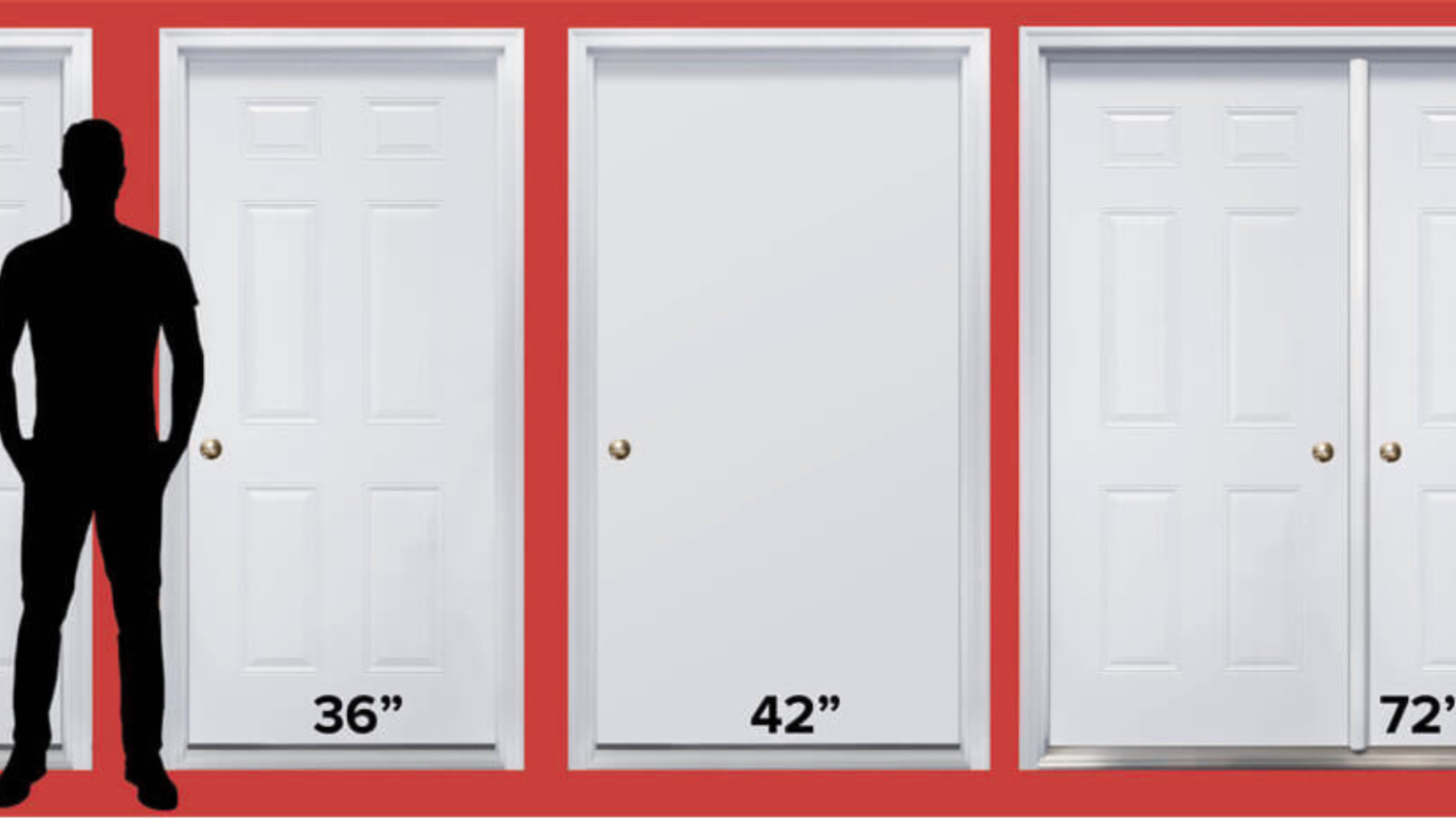
Exterior doors are generally wider than interior doors to provide easier access and improve curb appeal. The most common width is 36 inches, although some homes use custom widths like 32 or 42 inches depending on design preferences. Wider doors create a grand entrance and make it easier to move large furniture in and out.
Average Door Width by Room Type
Different rooms may require different door widths based on usage:
- Bedrooms: 30–32 inches
- Bathrooms: 24–28 inches
- Closets: 24 inches
- Kitchens: 28–32 inches
- Living rooms and hallways: 30–36 inches
Choosing the appropriate width for each room ensures both practicality and comfort.
Common Door Width Sizes in Inches and Feet
For easy reference, here are standard door widths in both inches and feet:
- 24 inches = 2 feet
- 28 inches = 2 feet 4 inches
- 30 inches = 2 feet 6 inches
- 32 inches = 2 feet 8 inches
- 36 inches = 3 feet
Most interior doors fall between 28 and 32 inches, while exterior doors are typically 36 inches.
Minimum Door Width According to Building Codes
Building codes set minimum requirements to ensure safety and accessibility. Most codes require:
- Interior doors: minimum 28 inches wide
- Exterior doors: minimum 32 inches wide
These standards ensure enough space for safe passage and compliance with construction regulations.
ADA Door Width Requirements for Accessibility
For wheelchair accessibility, doors must follow ADA guidelines:
- Minimum clear width: 32 inches when the door is open 90 degrees
- Preferred width for accessibility: 36 inches
- Hallways and doors for public buildings may require 42 inches or more
Following these standards ensures your home is accessible to everyone.
How to Measure Door Width Correctly
Accurate measurement is crucial for replacing or installing doors:
- Measure the width from one inside edge of the frame to the other
- Check the top, middle, and bottom to account for variations
- Include allowances for hinges and trim if replacing the entire door
- Double-check measurements to avoid fitting problems
Correct measurement prevents installation errors and ensures a proper fit.
Average Door Width Around the World
Door widths can vary by country due to local construction practices:
- United States: Standard interior 30–32 inches, exterior 36 inches
- Europe: Slightly wider interior doors, 31–33 inches
- Asia: Narrower doors in compact spaces, 28–30 inches
Despite regional differences, most modern homes follow similar dimensions for convenience and standardization.
Door Width vs Door Height: Key Differences
While width determines how easily people pass through, height affects perception and comfort. Standard height is usually 80 inches. Wider doors may require stronger frames to support height. Height and width must be proportional to maintain aesthetic balance. Proper coordination enhances both function and design.
Can You Customize Door Width for Your Home
Yes, doors can be customized to fit unique spaces. Narrower doors are ideal for small rooms, while wider doors work for luxurious entrances or high ceilings. Custom widths allow better furniture access and modern aesthetics. Custom doors provide flexibility but may cost more than standard sizes.
Wide Doors vs Standard Doors: Which Is Better
Standard doors are affordable, widely available, and easy to install. Wide doors improve accessibility, create a spacious feel, and enhance design. The best choice depends on your budget, home style, and functional needs.
Best Door Width for Modern Homes and Interiors
Modern homes often prefer doors that are 32–36 inches for interiors and 36 inches or more for exteriors. These widths complement high ceilings, open layouts, and contemporary aesthetics.
Common Mistakes When Choosing Door Width
Many homeowners make mistakes when selecting door widths. Ignoring ceiling height and proportion, choosing a door that is too narrow for furniture, failing to follow building codes, or not considering accessibility needs are the most common errors. Avoiding these mistakes ensures a practical and visually appealing result.
When Should You Upgrade or Replace Door Width
Consider upgrading when current doors are too narrow for comfort, renovating to match modern interior design, or improving accessibility for wheelchairs or mobility devices. Upgrading door width can improve both functionality and property value.
FAQs
What is the most common door width?
The most common interior door width is 30–32 inches, while exterior doors are usually 36 inches.
Are all doors the same width?
No, door widths vary depending on room type and purpose.
Can I install a wider door in my home?
Yes, but structural modifications may be necessary.
What is the recommended door width for wheelchair access?
A minimum of 32 inches is required, with 36 inches preferred for comfort.
How do I measure door width accurately?
Measure from one inside edge of the frame to the other, checking top, middle, and bottom for consistency.
Conclusion
Understanding the average door width is important for creating a functional and aesthetically pleasing home. Interior doors usually range from 28 to 32 inches, while exterior doors are around 36 inches. Custom options are available for unique spaces or modern designs. Proper measurement, compliance with building codes, and considering accessibility will help you choose the right door width for your home.