

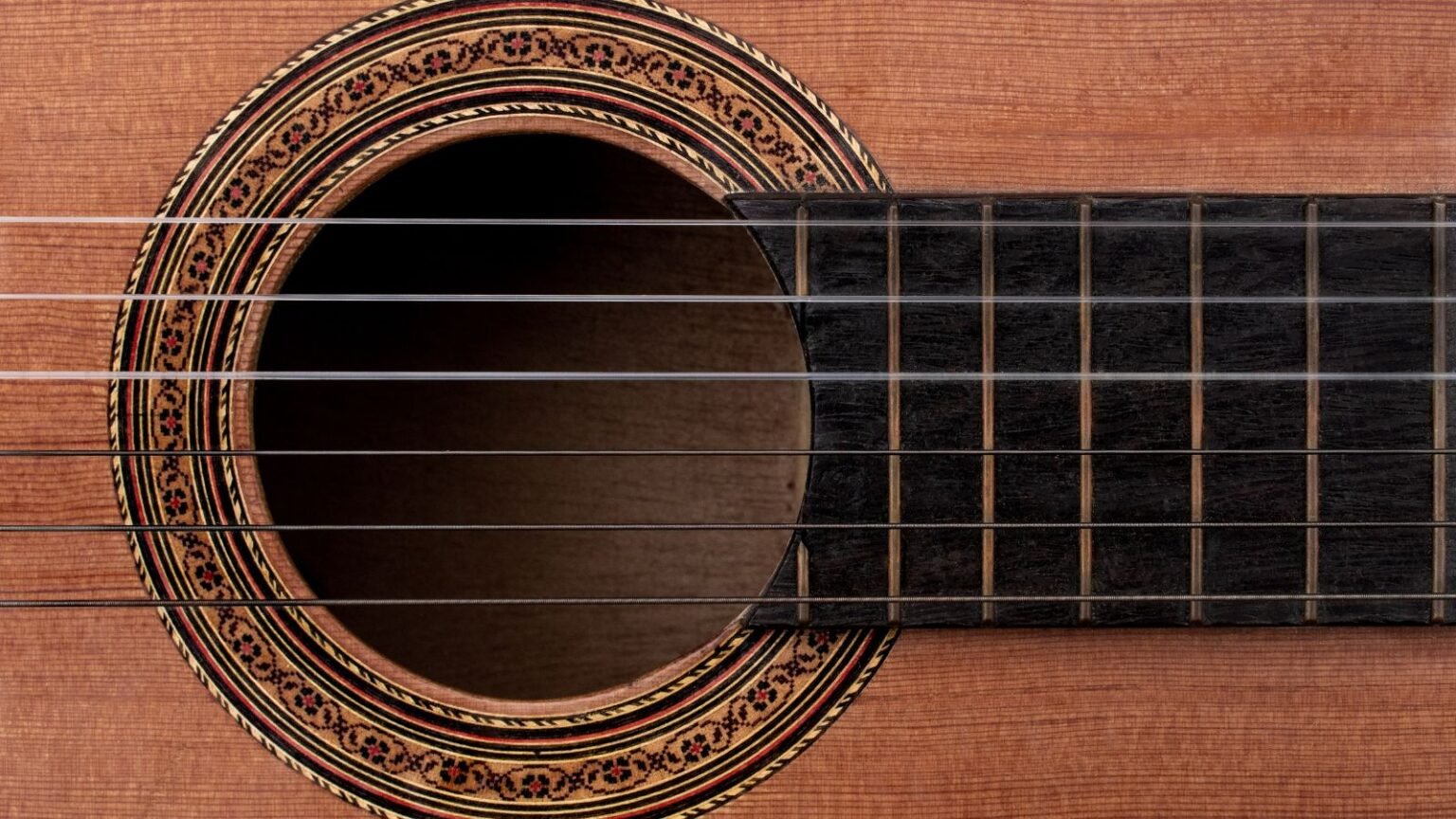
Choosing the right fretboard for your guitar is more than just aesthetics. It can significantly affect your guitar’s tone, playability, and longevity. Two of the most popular fretboard woods are rosewood and ebony. Both are used in high-end and mid-range guitars, but each offers unique characteristics that suit different playing styles and preferences. In this article, we will break down the differences, benefits, and drawbacks of each to help you make an informed choice.
Introduction to Guitar Fretboards
A fretboard, also called a fingerboard, is the surface on your guitar’s neck where your fingers press the strings to create notes. The material of a fretboard affects tone, playability, and durability. Guitarists often debate whether rosewood or ebony is better, as both are favorites in professional guitars.
Rosewood Fretboard Overview
Rosewood has been a staple in guitar making for decades. It is known for its rich, warm tones and natural oils that provide a smooth playing experience. Rosewood is slightly softer than ebony, giving a warmer feel under the fingers. Its color ranges from dark brown to reddish-brown with visible grain patterns. It is widely used in acoustic and electric guitars, making it versatile for different music genres.
Ebony Fretboard Overview
Ebony is prized for its dense, smooth texture and striking dark color. It is often found on high-end guitars and classical instruments. Ebony is very dense and hard, providing a bright, articulate tone. Its surface is smooth, allowing for fast playing and precise finger movements. Ebony is favored by many professionals, especially in jazz, rock, and metal.
Physical Differences Between Rosewood and Ebony
Feature | Rosewood | Ebony
Color | Dark brown, reddish hues | Jet black, sometimes streaked
Hardness | Medium | Very hard
Weight | Lighter | Heavier
Texture | Natural grain, slightly porous | Smooth, almost glass-like
Maintenance | Minimal, natural oils help | Requires occasional oiling to prevent drying
These differences make ebony more durable, but rosewood is warmer and easier on the fingers.
Tone Differences: How Each Wood Affects Sound
Tone is often the deciding factor for choosing between rosewood and ebony. Rosewood produces warm, rich, and resonant sounds with emphasized low-mid frequencies. It is great for blues, folk, and classic rock. Ebony produces bright, articulate, and snappy sounds with excellent note definition. It is preferred for fast solos and intricate chord work. Music style and tonal preference should guide the choice.
Playability and Feel
Both woods offer excellent playability, but the feel is distinct. Rosewood has a slightly textured surface, giving a comfortable grip and is ideal for expressive playing and bending notes. Ebony is ultra-smooth and fast, allowing quick finger movement across the frets, which benefits shredders and technical players. Choosing a fretboard is personal, depending on whether the player prefers tactile feedback or slickness.
Durability and Maintenance
Rosewood is naturally oily, resistant to cracking, but softer and may wear over time. Ebony is the hardest common fretboard wood, highly durable, but can dry out and crack if not cared for. Regular cleaning and occasional oiling can extend the lifespan of either wood.
Impact on Guitar Style and Genre
Rosewood is ideal for warm, mellow tones and works well for fingerstyle, acoustic, and classic rock. Ebony is favored in styles requiring precision and clarity, such as jazz, metal, and progressive rock. The music genre often dictates the best wood choice for a player.
Cost Comparison: Rosewood vs Ebony
Ebony tends to be more expensive due to its rarity and hardness. Rosewood is more affordable and easier to source, though CITES regulations have limited the availability of some rosewood types. Rosewood guitars are usually mid-range in price, while ebony guitars are often higher-end professional instruments.
Environmental and Legal Considerations
Both woods are subject to CITES regulations, which protect endangered tree species. Importing or exporting these woods may require permits. Alternatives such as maple, Pau Ferro, Richlite, or synthetic fretboards offer similar qualities with less environmental impact. Choosing responsibly ensures the guitar industry remains sustainable.
Famous Guitars with Rosewood Fretboards
Fender Stratocaster has classic rosewood necks on vintage models. Gibson Les Paul Standard uses rosewood boards on many models for warm tones. Martin D-28 is a beloved acoustic with a rosewood fretboard. Rosewood’s warmth and vintage appeal make it a top choice for many iconic guitars.
Famous Guitars with Ebony Fretboards
PRS Custom 24 features an ebony fretboard for precision and clarity. Ibanez JEM allows fast playing with an ebony fingerboard. Gibson Les Paul Custom professional models often feature ebony. Ebony is often reserved for high-performance guitars loved by advanced players.
Pros and Cons of Rosewood Fretboards
Pros: Warm, rich tone; comfortable texture; low maintenance
Cons: Softer and may wear faster; less bright than ebony; rare species regulated by CITES
Pros and Cons of Ebony Fretboards
Pros: Hard, long-lasting; bright, articulate sound; smooth, fast-playing surface
Cons: Expensive; can dry out or crack; dark color shows fingerprints
Choosing the Right Fretboard for You
When deciding between rosewood and ebony, consider music style, playability, budget, and maintenance. Testing guitars in person is the best way to determine which fretboard feels and sounds right for you.
FAQs About Rosewood vs Ebony Fretboards
Q1: Which fretboard is better for beginners?
A: Rosewood is often recommended for beginners because of its smooth texture and warm tone.
Q2: Do rosewood fretboards require oiling?
A: Usually no, because rosewood contains natural oils. Occasional conditioning can help maintain appearance.
Q3: Is ebony better for metal or rock?
A: Yes, ebony’s bright tone and fast surface make it ideal for technical genres.
Q4: Are rosewood and ebony sustainable?
A: Both are regulated under CITES. Look for sustainably sourced or alternative materials.
Q5: Can I switch a rosewood fretboard for ebony?
A: Technically yes, but it requires professional neck replacement and is costly.
Conclusion
Both rosewood and ebony fretboards have unique strengths. Rosewood offers warmth, comfort, and classic tones, making it ideal for vintage styles and fingerstyle players. Ebony provides bright, precise tones and ultra-smooth playability, perfect for technical players and high-end guitars. Choice should depend on tone preference, playability, style, and budget. Understanding the differences allows players to select the fretboard that enhances their playing experience for years to come.