

What Are Japanese Houses?
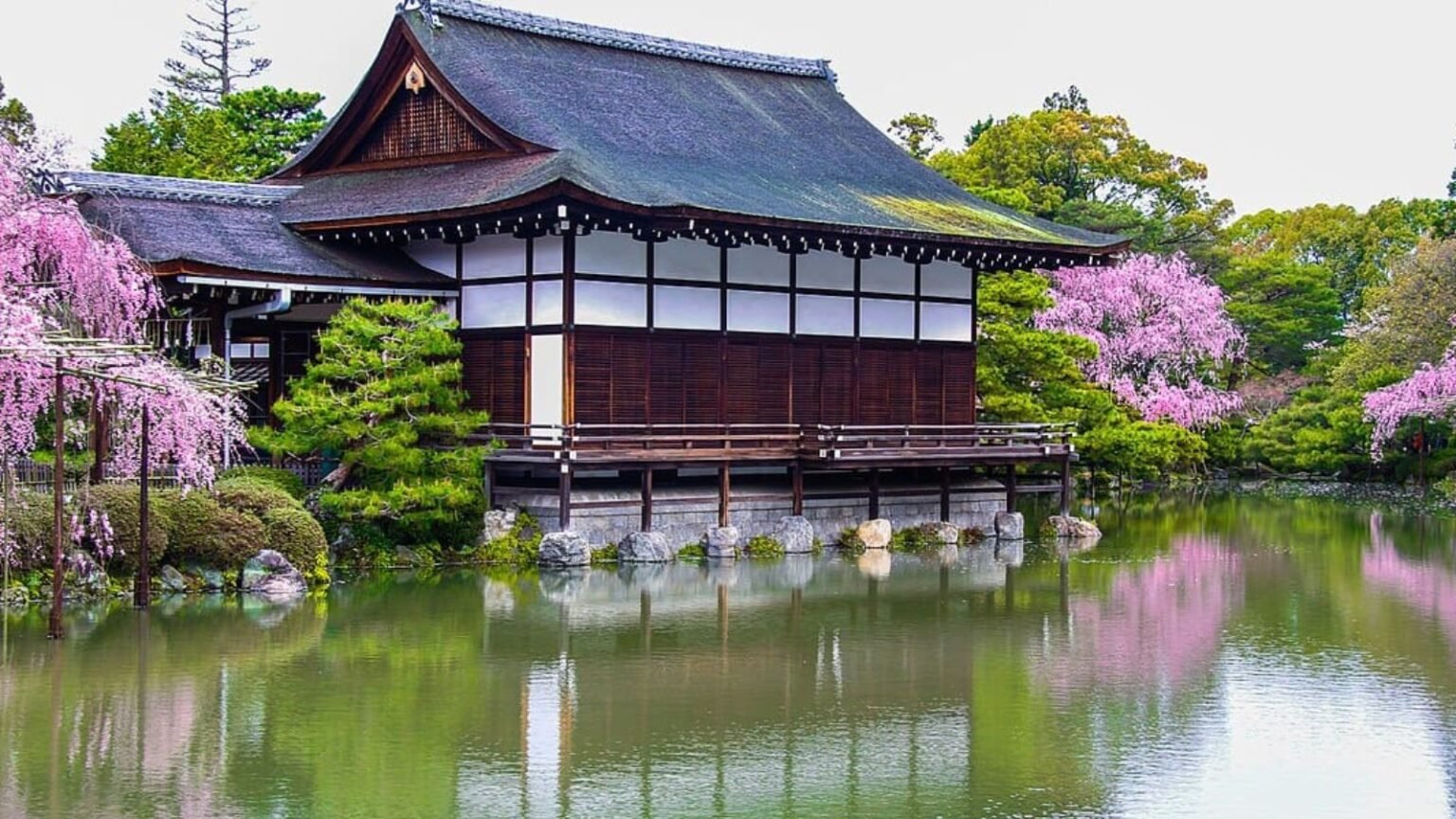
Japanese houses are residential buildings designed with unique architectural styles that reflect the culture, climate, and history of Japan. They are known for minimal design, wooden structures, sliding doors, and efficient use of space. Japanese homes can be traditional, modern, or a combination of both.
History and Evolution of Japanese Architecture
The history of Japanese houses dates back hundreds of years. Traditional homes were built using wood, paper, and natural materials. Over time, architecture evolved due to modernization, urban development, and earthquake safety requirements. Today, Japan combines traditional design principles with advanced engineering.
Traditional Japanese Houses (Minka)
Traditional Japanese houses, often called minka, were built for farmers, artisans, and merchants. These homes usually feature wooden frames, thatched or tiled roofs, and open interior spaces. They were designed to adapt to Japan’s climate, including hot summers and rainy seasons.
Key Features of Traditional Homes
Traditional houses typically include:
- Wooden structure
- Raised floors
- Sliding doors
- Tatami flooring
- Engawa (veranda-like space)
- Open rooms with flexible layouts
These features allow natural ventilation and flexible room usage.
Tatami Rooms and Interior Design
Tatami mats are traditional floor coverings made from rice straw. Rooms with tatami flooring are used for sleeping, tea ceremonies, and relaxation. Tatami rooms reflect simplicity and harmony in Japanese culture.
Shoji and Fusuma Sliding Doors
Shoji are sliding doors made of wood and translucent paper. They allow natural light to enter while maintaining privacy. Fusuma are thicker sliding panels used to divide rooms. These elements make spaces flexible and adaptable.
Minimalism in Japanese House Design
Minimalism is a core principle in Japanese architecture. Homes are designed with simple layouts, clean lines, and limited decoration. The focus is on functionality, natural light, and open space. This design philosophy influences modern architecture worldwide.
Modern Japanese Houses
Modern homes in Japan combine traditional concepts with contemporary materials like concrete and steel. Many urban houses are compact due to limited land in cities. These homes often include smart technology, energy-efficient systems, and modern kitchens.
Earthquake-Resistant Construction
Since Japan experiences frequent earthquakes, building safety is very important. Modern Japanese houses use advanced engineering techniques such as flexible structures and shock-absorbing foundations to reduce damage during seismic activity.
Materials Used in Japanese Homes
Traditional homes mainly use wood, paper, and natural fibers. Modern houses use reinforced concrete, steel frames, and glass. The choice of materials depends on design style, location, and safety requirements.
Japanese House Floor Plans
Space efficiency is essential in Japanese homes. Floor plans are carefully designed to maximize functionality in small areas. Multi-purpose rooms are common, allowing spaces to serve different functions during the day and night.
Gardens and Nature Integration
Many Japanese houses include small gardens, courtyards, or indoor-outdoor spaces. Nature plays an important role in design. Large windows and sliding doors help connect the interior with the outside environment.
Urban Apartments in Japan
In large cities, apartments are very common. These buildings are called mansions in Japan. They are compact but well-organized, offering modern amenities. Due to high population density, apartment living is popular.
Sustainable and Energy-Efficient Homes
Modern Japanese architecture focuses on sustainability. Homes often include insulation systems, energy-saving appliances, solar panels, and eco-friendly materials. These features help reduce environmental impact.
Famous Examples of Japanese Architecture
Japan is known for innovative architects and creative house designs. Many homes showcase advanced concepts such as ultra-minimalist layouts, compact structures, and integration with nature. Architectural designs from Japan are admired worldwide.
Why Japanese Houses Are Popular Worldwide
Japanese houses are popular because of their:
- Clean and simple design
- Smart use of space
- Cultural uniqueness
- Strong earthquake safety
- Modern innovation
- Connection with nature
These qualities make Japanese architecture influential across the world.
Conclusion
Japanese houses represent a balance between tradition and modern technology in Japan. From traditional wooden minka to advanced urban homes, the architecture reflects culture, efficiency, and innovation. Whether you are interested in design, history, or modern living concepts, Japanese houses offer inspiration and practical solutions for contemporary housing.