
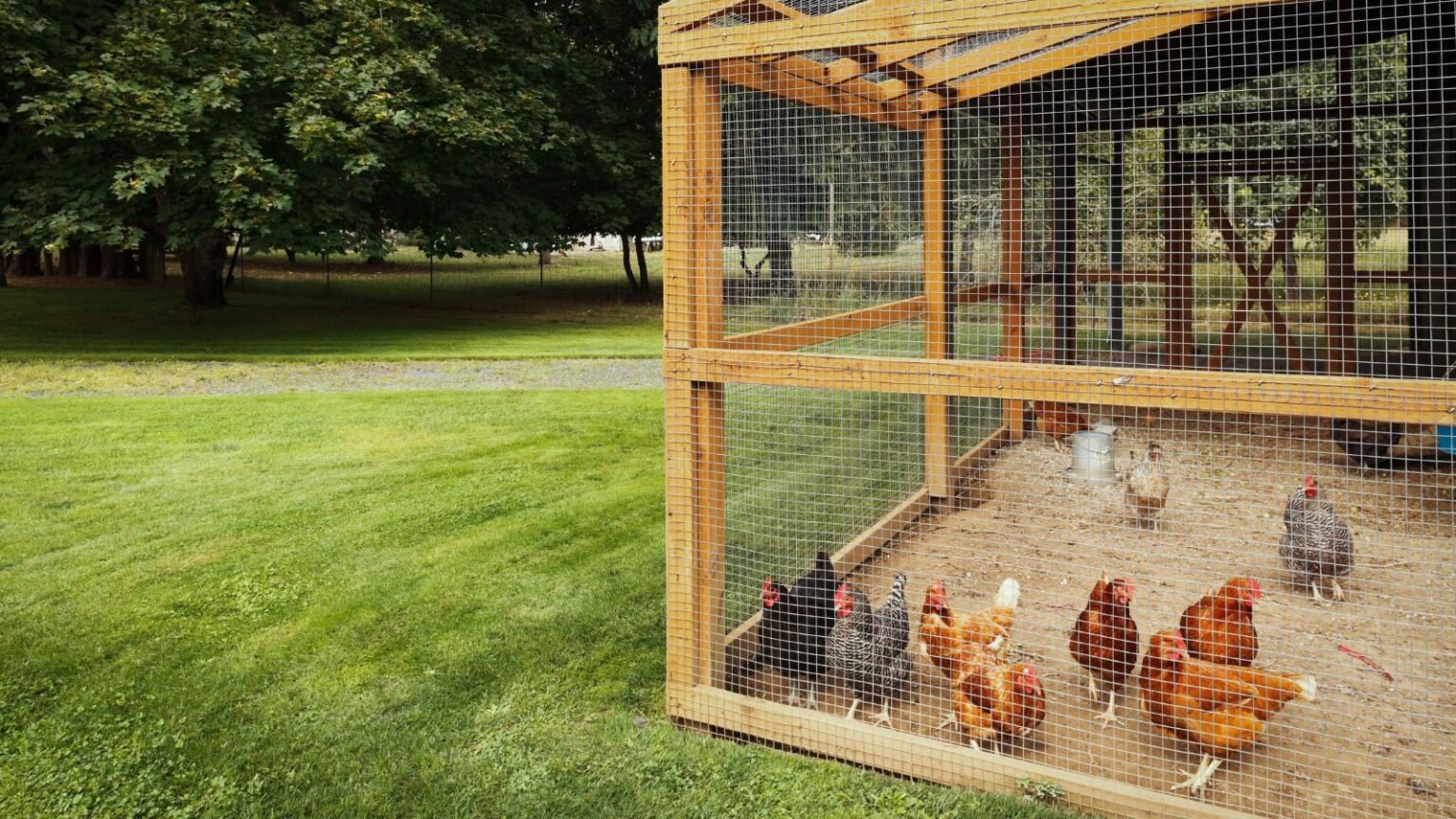
Building a chicken coop is a rewarding project for any backyard farmer or poultry enthusiast. One of the most important decisions when constructing a coop is the type of lumber you use. The right wood ensures your coop is durable, safe for your chickens, and able to withstand the elements for years to come. In this article, we will explore the best lumber options, their pros and cons, maintenance tips, and practical advice for building a sturdy chicken coop.
Introduction to Building a Chicken Coop
A chicken coop is more than just a shelter; it is a home that protects your birds from predators, weather, and disease. Using the right lumber is essential to create a strong and safe structure. The wood you choose affects the coop’s durability, maintenance requirements, and overall cost.
Why Lumber Choice Matters for Chicken Coops
Not all lumber is created equal. Choosing the wrong type can lead to problems such as rot, warping, or exposure to chemicals harmful to chickens. The right lumber should balance durability, affordability, and safety. It should resist moisture, pests, and daily wear from your flock.
Types of Lumber for Chicken Coops
Several types of lumber are commonly used for chicken coops. Each has distinct advantages and disadvantages, depending on your budget, climate, and construction plans. Common options include:
- Cedar
- Pine
- Redwood
- Pressure-treated wood
- Other hardwoods or softwoods
Cedar Lumber for Chicken Coops
Cedar is a popular choice for chicken coops due to its natural resistance to rot and insects. Its durability allows it to last many years without requiring chemical treatments. Cedar is lightweight, easy to work with, and has a pleasant aroma. The main drawback is its cost, which is higher than most other woods.
Pine Lumber for Chicken Coops
Pine is one of the most affordable options. It is easy to cut and assemble, making it ideal for DIY projects. However, pine is softer and more prone to damage from moisture and insects. To extend its life, it may require sealing or painting with a non-toxic finish safe for poultry.
Pressure-Treated Lumber
Pressure-treated lumber is chemically treated to resist rot and insect damage. While this makes it very durable, it can contain chemicals that are unsafe for chickens if not used properly. It is generally recommended to avoid using pressure-treated wood in areas where chickens directly contact the lumber, such as nesting boxes or roosts. It is safer for framing or structural support that chickens do not touch.
Redwood and Other Exotic Woods
Redwood is naturally resistant to decay and has an attractive appearance. It is often used in high-end coops, though it is more expensive than cedar or pine. Other exotic woods can also provide durability but are usually cost-prohibitive for most backyard builders.
Softwood vs Hardwood: Which is Better?
Softwoods like pine and cedar are lighter, easier to cut, and more affordable, making them ideal for DIY coops. Hardwoods are denser and more durable but can be heavy, difficult to work with, and more expensive. For most backyard coops, softwoods like cedar offer the best balance between durability, cost, and ease of construction.
Lumber Sizing and Board Selection
Selecting the right size of lumber is essential for structural stability. Common sizes for chicken coop framing include 2x4s for walls and supports, 1x4s for nesting boxes, and plywood panels for walls and floors. Choose straight boards without cracks or knots that could weaken the structure.
Safety Considerations for Your Chickens
Avoid wood treated with toxic chemicals for areas chickens can touch. Do not use reclaimed lumber that may contain lead paint or other hazardous residues. Ensure all edges are smooth to prevent injuries, and avoid splinters in roosts and nesting boxes.
Cost Comparison of Different Lumber Types
Cedar is more expensive but requires less maintenance and lasts longer. Pine is the cheapest but may need protective finishes. Redwood and exotic woods are premium options for durability and aesthetics. Pressure-treated wood is moderately priced but requires careful placement to ensure chicken safety.
Tips for Maintaining Your Chicken Coop Lumber
Regular maintenance extends the life of your coop. Clean the coop frequently, replace damaged boards, and apply non-toxic sealants or stains to protect against moisture. Keep the coop elevated off the ground to prevent water damage and rot.
DIY Chicken Coop Construction Tips
When building a chicken coop, plan your layout carefully. Use straight, high-quality boards, and reinforce corners with brackets or screws. Ensure proper ventilation, predator-proofing, and easy access for cleaning. Pre-cut lumber can save time and reduce errors during assembly.
Common Mistakes When Choosing Lumber
Common mistakes include using untreated softwoods in damp areas, using chemically treated wood where chickens can contact it, and selecting warped or cracked boards. Avoid these mistakes to ensure a safe and durable coop.
Frequently Asked Questions About Chicken Coop Lumber
Q1: What is the best wood for a chicken coop?
A: Cedar is widely considered the best due to its natural resistance to rot and insects, though pine is a more budget-friendly option.
Q2: Can I use pressure-treated wood in a chicken coop?
A: Only for structural areas where chickens do not touch the wood. Avoid using it for roosts, nesting boxes, or surfaces in direct contact with the birds.
Q3: How thick should the lumber be?
A: Framing boards are typically 2x4s, nesting boxes use 1x4s, and plywood for floors or walls is usually 1/2 to 3/4 inch thick.
Q4: Do I need to seal or paint the wood?
A: Cedar often does not need sealing, while pine benefits from a non-toxic, poultry-safe finish to increase longevity.
Q5: Can I use reclaimed wood?
A: Only if you are sure it is free from toxic chemicals and safe for chickens. Inspect it for cracks, rot, or nails.
Conclusion
Choosing the right lumber for your chicken coop is crucial for creating a safe, durable, and long-lasting home for your flock. Cedar provides natural resistance and low maintenance, pine is affordable and easy to work with, and pressure-treated wood is suitable for non-contact structural parts. By understanding the advantages and limitations of each type, you can select lumber that fits your budget, climate, and construction needs, ensuring a healthy and happy environment for your chickens for years to come.